Nothing
in writing.

Within an hour of this office there are 7,809 farms. 6,668 of them have nothing in writing — and 1,926 are being handed down on a handshake. We have spent forty-five years in the room where that gets settled.

1,141 written 1,926 a handshake 4,742 nothing at all

403 · 343 · 1160 Ask for Jim
NE ¼ · 160 acres 53.3 ac 53.3 ac 53.3 ac three children · equal shares

The division

Equal and fair are different words.

One quarter section. One hundred and sixty acres. Three children — and one of them stayed. He fed cattle at five in the morning through twenty winters on a promise made at the kitchen table and written down nowhere.

On paper the arithmetic is easy. Fifty-three acres each, and nobody can call it unfair. Any lawyer in this province can draw those two lines in an afternoon — and every farmer who has ever looked at the result knows that what is left is not three farms. It is three strips of a farm that used to work.

You can divide a hundred and sixty acres three ways. You cannot divide a farm three ways.

The land

Seven counties. Six thousand unfinished sentences.

Statistics Canada asked every farm in the country one question: is your succession plan written, spoken, or nonexistent? These are the answers from the counties within an hour of our front door.

2021 Census of Agriculture · farms reporting, by county
CountyFarmsWrittenNothing at allOn a handshake
Mountain View1,576211961404
Red Deer1,510244877389
Clearwater1,133119784230
Ponoka1,067151648268
Lacombe1,010149606255
Stettler No. 6762121473168
Kneehill751146393212
Central Alberta7,8091,1414,7421,926

Fourteen farms in a hundred have put it in writing. The most common succession plan in this county is a conversation somebody remembers differently.

Source: Statistics Canada, Table 32-10-0244-01, Succession plan for the agricultural operation, Census of Agriculture 2021. Counties: Mountain View, Red Deer, Clearwater, Ponoka, Lacombe, Stettler No. 6, Kneehill. Figures are farms reporting; verbal-only plans are counted as “on a handshake.”

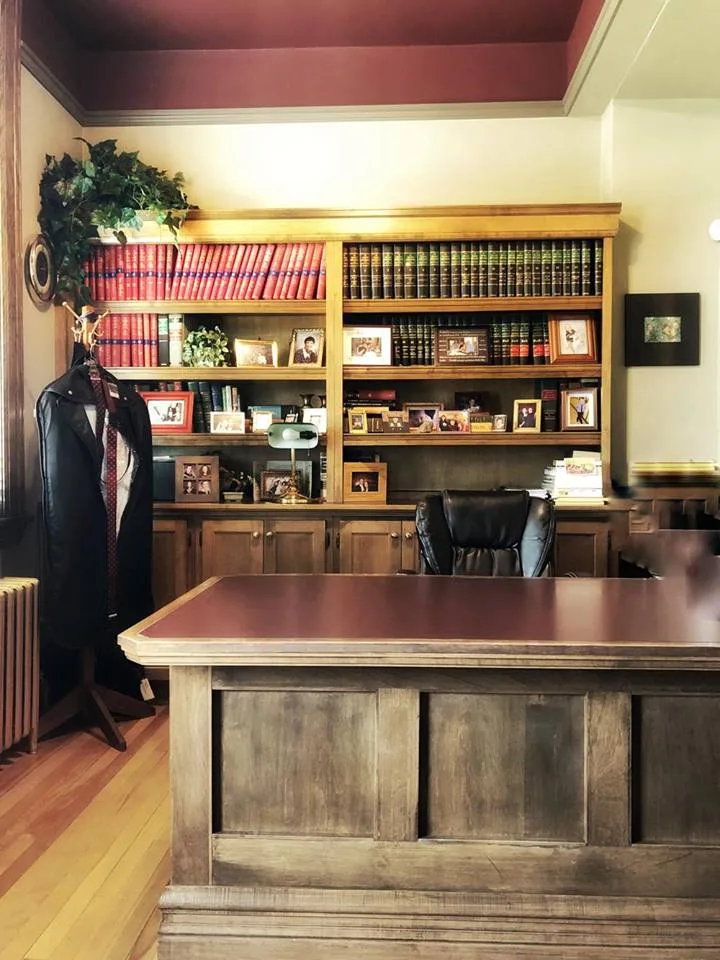
Jim Dixon's office in the Old Court House: an oak desk, a coat and tie on the stand, and shelves of family photographs.
The office · 101, 4836 Ross Street

The room

Nobody puts this off because they're disorganized.

They put it off because they know exactly how the conversation could go. That one sentence — I've decided who gets the place — has ended more families in this county than any drought.

So that is the part we do. Not the paperwork. The room. Jim spent years on a school board and on Lacombe town council, which is a long apprenticeship in sitting between people who love each other and disagree about money. The will is just what you leave with.

  • WhoYou. Whoever you want beside you. Nobody else.
  • How longAbout an hour, and there is no charge for it.
  • What we doSay the hard part out loud, once, with a referee.
  • What you leave withA written plan for the place, or an honest reason you're not ready.
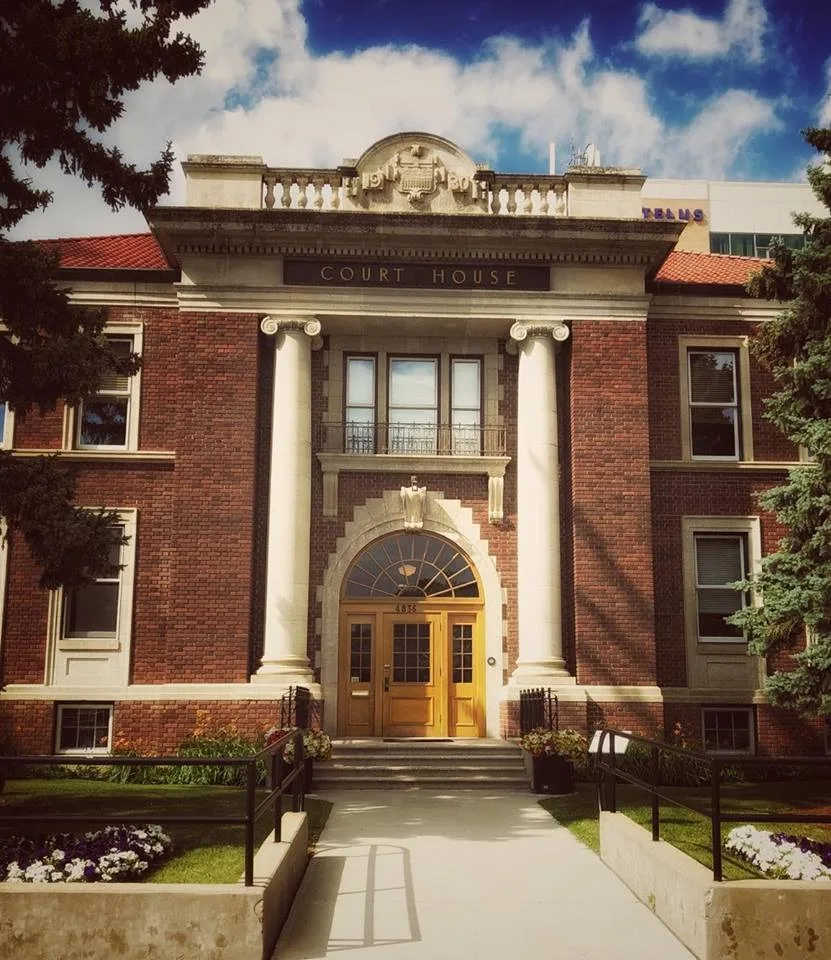
The Old Red Deer Court House: red brick, Ionic columns, and COURT HOUSE carved into the limestone frieze.
The Old Court HouseBuilt 1931 · Classical Revival · red brick dressed in Tyndall limestone · the last of its kind built in Alberta · a Provincial Historic Resource

Jim

The courts moved out in 1983. He stayed.

James Dixon grew up near Medicine Hat and went to Edmonton for university, where he met Claranne. They came back to Central Alberta to raise their family and never left. He has sat on minor sports boards, service clubs, the local school board, and Lacombe town council.

He learned law from a man described at the time as having one of the widest-ranging general practices in Alberta, and he has kept to that road since 1981 — in a building where this region's justice was done for fifty-two years.

“I feel a great comfort in serving my clients' interest by being independent of institutions, organizations or branches of government.”James L. Dixon, K.C.
1961
The predecessor firms open
1981
Jim begins practising here
1983
The courts leave the building

The handover

One office. The whole transfer.

A farm does not pass to the next generation through a single document. It passes through four, and most families are sent to four different desks to get them. Everything below happens at one table, with one lawyer who has met your children.

  • ·
    The willWills, personal directives, powers of attorney — what you meant, in language that survives you.
  • ·
    The landReal estate and the transfer of title, so the quarter goes where the will says it goes.
  • ·
    The companyCorporate and commercial work — the farm corporation, and handing it down under the rules that changed in 2024.
  • ·
    AfterEstate administration, probate, guardianship and trusteeship. We are still here when it matters most.

Start with the conversation, not the paperwork.

Call the office and ask for Jim. The first hour costs nothing, and you are under no obligation to do a single thing afterward.

403 · 343 · 1160

Mon–Thu 9:00 – 4:00
Friday 9:00 – 3:00
Office 101, 4836 Ross Street
Red Deer, Alberta  T4N 1X4